Cracking the Code: Toyota's Codes


January 2, 2023

Have you received diagnostic readers as gifts recently?


These tiny devices attach to your vehicle’s diagnostic system, allowing you to get the service codes behind warning lights on your dashboard. While they don’t have the range and depth of the sophisticated diagnostics we use at A+ Japanese Auto Repair, they can give a clue about what’s going wrong in your vehicle and where to proceed.


Understanding the problem is the beginning of finding an answer


It’s not enough to have the code. You will also need to understand what parts the code corresponds to and how the different codes in play work together. Our mechanics have years of diagnostic experience working this out. Although our mechanics can’t teach you which signifiers impact your car in a single scan of your diagnostic, we can teach you which codes your Toyota is most likely to encounter in a single check of your code reader:


P0171 - System Too Lean Fault


One of the most common trouble codes in V-6 and larger engines, P0171 is triggered by the first exhaust oxygen (02) sensor (aka upstream 02 sensor) on the “Bank 1” side of the engine. It denotes an imbalance in the oxygen of the fuel system, which can come from several different factors.


P0401 - EGR Flow Insufficient


The P0401 code demarks insufficient exhaust gas recirculation (or EGR flow), which helps to reduce combustion temperatures. A pinging or knocking is likely occurring when you get this code.


P0420 - P0429 - Catalyst System Efficiency Below Threshold Error


All P0420 - P0429 codes refer to the catalytic converter and exhaust system and fall into the general exhaust system code block. P0420 refers to the catalytic converter or - more specifically - the oxygen (O2) sensors before and after it on the bank 1 side of the exhaust system. This error might be Leaded fuel in an unleaded system, a failed catalytic converter, or even a failing O2 sensor or connection.


P0440 - EVAP Control System Malfunction


The P0440 code means that a disruption has occurred in the EVAP system. A faulty or leaking gas cap, or a plugged canister, most often triggers this code.

A failed purge solenoid.


P0441 - Evaporative Emission Control (EVAP) System Fault


The P0441 OBD-II code indicates an Evaporative Emission Control System Incorrect Purge Flow; in plain English, it’s noticing a bad vacuum switch or a leak in the EVAP system, which in turn is preventing fuel vapors from reaching the canister. When we encounter this code, we typically check the connection for the MAF, unplug and reconnect the MAF wiring harness, check the voltage of the MAF sensor, and replace or repair any faults found.


We hope this helps you understand the work ahead of a skilled mechanic when they see these codes on a Toyota. Remember that the investigation doesn’t end with a code; it begins with a code!


Did You Know…?


Did you know that if your Toyota (or any other car we service) needs service and you don’t have time to bring it in, A+ Japanese Auto Repair offers a free pick-up and delivery service that can help you save time and energy?

Free Pickup & Delivery | Onsite Rental Vehicles | After Hours Pickup & Dropoff

At A+ Japanese Auto Repair, we pride ourselves on making your auto repair experience less stressful. When you need service for your vehicle, schedule an appointment today at A+ Japanese Auto Repair. We are conveniently located at
780 Industrial Road, San Carlos, CA 94070. (650) 595-2277.

White car | A+ Japanese Auto Repair, Inc.
September 3, 2025
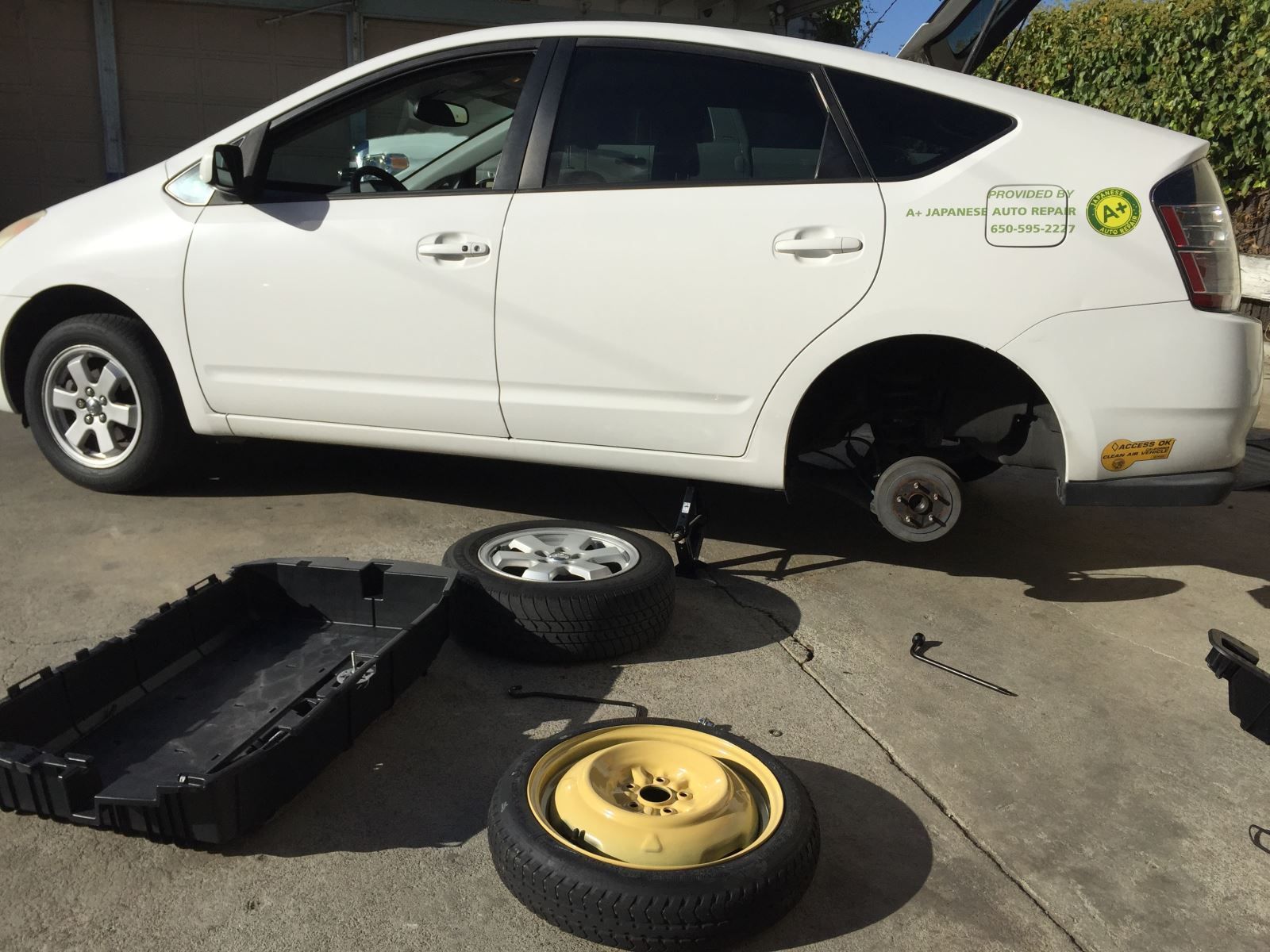
Each car has a different approach to change a spare tire. This is a general procedure to change a flat tire on most cars or trucks.
March 1, 2025
Considering an OEM or aftermarket exhaust? Learn the pros and cons of each to make the best choice for your vehicle. A+ Japanese Auto Repair offers expert guidance and installation for both options in San Carlos, CA.
February 1, 2025
Wondering what that dashboard warning light means? A+ Japanese Auto Repair in San Carlos, CA, breaks down common dashboard lights and how to respond. Schedule your vehicle’s diagnostic today!
October 1, 2024
Does idling your car waste more fuel than restarting it? A+ Japanese Auto Repair in San Carlos explores fuel consumption, environmental impact, and best practices for fuel efficiency.
August 1, 2024
Discover how extreme heat affects your vehicle's interior and exterior. Learn practical tips to protect your car from heat damage, maintain performance, and extend its lifespan. Stay informed and keep your vehicle safe under the sun.
Fueling a car | A+ Japanese Auto Repair, Inc.
May 1, 2024
While providing an exact figure is challenging, most vehicles offer a range of 30 to 50 miles once the gas light illuminates. However, this estimate can fluctuate based on driving conditions, vehicle efficiency, and other variables. For this reason, it’s best to get to a gas station as soon as possible to fuel up.
April 22, 2024
Driving with the A/C does indeed reduce fuel efficiency to some extent. However, by understanding the factors that influence fuel consumption and implementing effective strategies to optimize efficiency, you can mitigate this impact and enjoy both comfort and savings at the pump.
February 1, 2023
Toyota vehicles are known for their reliability and durability. However, even the most reliable cars need regular maintenance to keep them running smoothly.
August 1, 2022
If you own a Lexus, then you know that it is important to keep up with the required maintenance. Not only will this help your car run smoothly, but it will also help maintain its value. When your Lexus presents a check engine light, the team at A+ Japanese Auto Repair is here to investigate your service codes and maint
Honda repair | A+ Japanese Auto Repair, Inc.
March 1, 2022
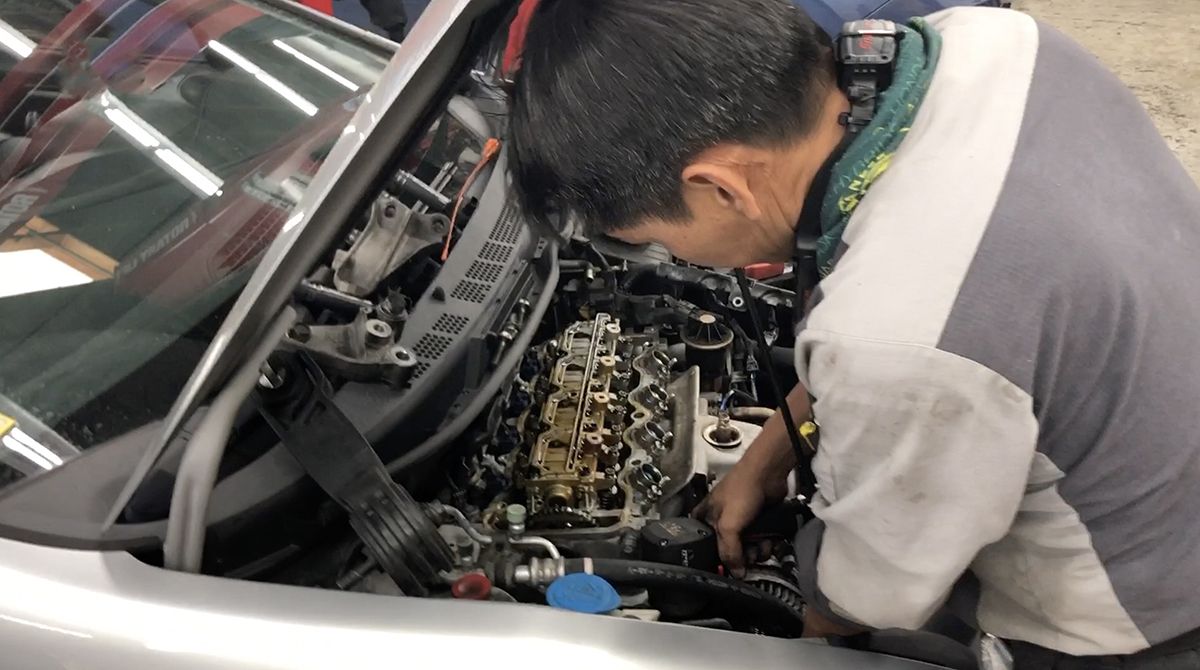
We deal in ten different Japanese brands at A+ Japanese Auto Repair. One of the most loved brands is Honda! We find them to be very reliable cars if you keep up with the proper maintenance, which is why we recommend them to first-time Japanese car buyers.
Show More