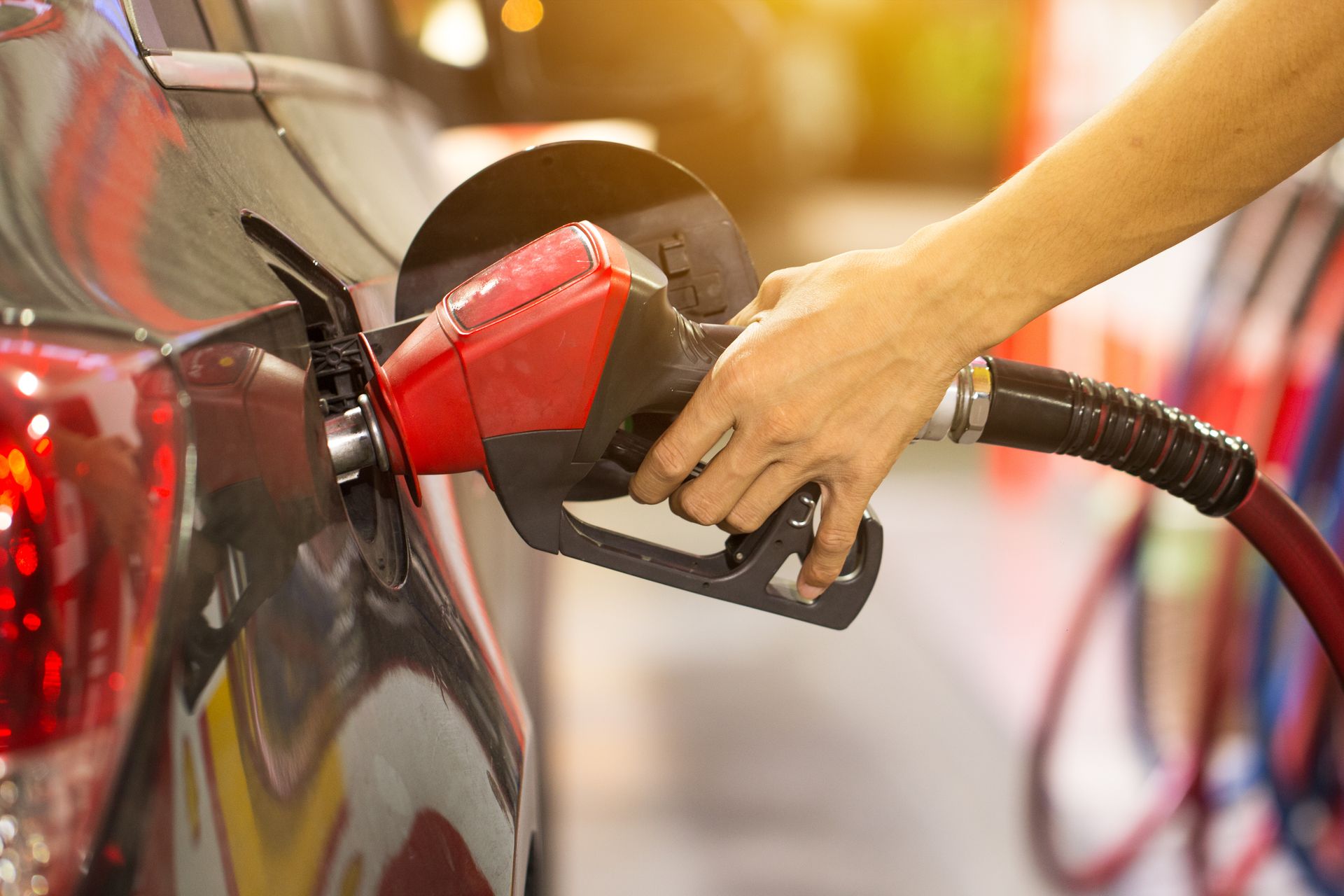
Driving with the gas light on can be nerve-wracking, especially far from the nearest gas station. Understanding how far you can push your vehicle with the gas light is a common question at A+ Auto Repair, significantly when fuel efficiency has been lowered due to other vehicle issues.
While providing an exact figure is challenging, most vehicles offer a range of 30 to 50 miles once the gas light illuminates. However, this estimate can fluctuate based on driving conditions, vehicle efficiency, and other variables. For this reason, it’s best to get to a gas station as soon as possible to fuel up.
Below, we'll delve into the intricacies of this common situation and provide expert insights to help you navigate it safely and efficiently. We also review some of the most frequently asked questions we get here at A+ Auto Repair, and give you some tips for taking care of your vehicle to ensure that pesky gas light is something you don’t need to worry about.
Understanding the Gas Light Indicator
When the fuel level drops below a certain point, typically around one-eighth to one-quarter of the tank's capacity, the fuel light illuminates your dashboard, signaling that it's time to refuel. This handy feature helps you stay aware of your fuel level and avoid unexpectedly running out of gas while driving.
So what does this mean for you? Having assisted countless drivers in San Carlos and Redwood City, we've encountered individuals who either brush off their gas light indicator or feel a wave of anxiety when it illuminates. We've even received numerous inquiries about it.
The bottom line is if you spot the fuel warning light on your dash, you've got a buffer of 30-50 miles to reach the nearest gas station. However, if it becomes a frequent occurrence post-refueling or appears more often than usual, it might be time to swing by our shop for a check-up.
Factors Affecting How Far You Can Drive
Several factors influence how far you can drive once the gas light comes on. These include:
- Vehicle Make and Model: Different vehicles have varying fuel efficiency levels, affecting how far you can drive with the gas light on.
- Driving Conditions: City driving with frequent stops and starts consumes more fuel than highway driving, which impacts your remaining mileage.
- Terrain: Driving uphill or on rough terrain can decrease fuel efficiency, shortening your travel distance with the gas light on.
- Driving Habits: Aggressive driving, such as rapid acceleration and braking, can decrease fuel efficiency and reduce your remaining range.
Regarding your vehicle, more detailed information is typically available for the make and model you’re driving. As a good rule of thumb, we consider the average to be between 30 and 50 additional miles. It’s best to stay on the lower end of that, though. You never know if the conditions you’re driving in will be more demanding on your vehicle, and it’s best to plan on getting gas as soon as possible rather than driving additional distances.
When Should I See A Technician?
If you notice that you're losing gas quickly, it's a clear indicator that your vehicle's fuel efficiency may be compromised. This issue could stem from various factors, including a malfunctioning fuel injector, a clogged air filter, or improper tire pressure. A decrease in fuel efficiency could also be attributed to more severe issues such as engine misfires, ignition system problems, or exhaust system issues.
Moreover, it's crucial to consider the possibility of a fuel leak, which can lead to significant fuel loss and pose a safety hazard. Whether the cause is minor or major, promptly addressing issues affecting your vehicle's fuel efficiency is essential to ensure optimal performance and prevent further damage.
Knowing when to seek professional assistance is essential for maintaining your vehicle's performance and safety. Some of these signs include:
- Persistent
Check Engine Light: If your check engine light remains illuminated, even after refueling and driving for a while, it could indicate a more significant issue with your vehicle's engine or emissions system.
- Irregular Engine Sounds: Unusual noises from the engine, such as knocking, pinging, or sputtering, could signal issues with fuel delivery, ignition timing, or engine components.
- Strong Fuel Odors: If you detect a strong gasoline smell inside or outside your vehicle, it may indicate a fuel leak or vapor emissions issue requiring immediate attention.
- Stalling or Rough Idling: If your vehicle stalls frequently, especially when idling or coming to a stop, it may indicate problems with the fuel system, spark plugs, or engine sensors.
- Visible Leaks Under the Vehicle: Any visible leaks under your vehicle, especially near the fuel tank or fuel lines, require immediate inspection by a qualified mechanic.
- Difficulty Maintaining Speed: If you struggle to maintain consistent speed or notice sudden drops in power while driving, it could indicate fuel delivery issues or engine performance problems.
This is not an all-inclusive list, either. You know your vehicle best and likely know when it’s driving differently. If you experience these symptoms, promptly consult a certified technician at your trusted auto repair shop. If you live in the San Carlos or Redwood City area,
A+ Auto Repair is here for all your vehicle needs. Ignoring potential issues could damage your vehicle further and compromise your safety on the road. By addressing problems early, you can prevent more extensive and costly repairs in the future.
FAQs (Frequently Asked Questions)
Can I drive with the gas light on?
Yes, but it's best to refuel as soon as possible to avoid running out of gas.
How far can you drive with the gas light on?
The distance varies depending on factors like vehicle efficiency and driving conditions. Typically, you will be able to drive 30 - 50 miles after the gas light comes on before you run our of fuel.
Is it bad to drive with the gas light on?
While it's not ideal, driving with the gas light on is generally safe for a short distance.
Should I fill up immediately when the gas light comes on?
It's advisable to refuel promptly to prevent the risk of running out of gas. A worse case scenario would be if you needed to accelerate to avoid a risky situation and there was not enough fuel to do so.
If I drive with the gas light on, will that damage my car?
While occasional instances won't cause damage, repeated occurrences could harm the fuel system. Your fuel pump is cooled with the fuel around it, so keeping the fuel pump submerged is a great idea.
Running a fuel pump dry will also shorten the life of your fuel pump.
What should I do if I run out of gas?
Pull over safely, turn on hazard lights, call for roadside assistance, or use a gas can if one is available.
Auto Repair Services And More In Redwood City & San Carlos
Driving with the gas light on is a situation every driver may encounter at some point. You can navigate this scenario safely by understanding the factors influencing remaining mileage and adopting fuel-efficient driving practices. Remember to refuel promptly to avoid the inconvenience and potential hazards of running out of gas.
Looking to address issues with your vehicle's fuel efficiency or any other automotive concerns? Look no further than A+ Japanese Auto Repair in San Carlos for Japanese cars, and A+ Auto Repair in Redwood City now services all makes and models.
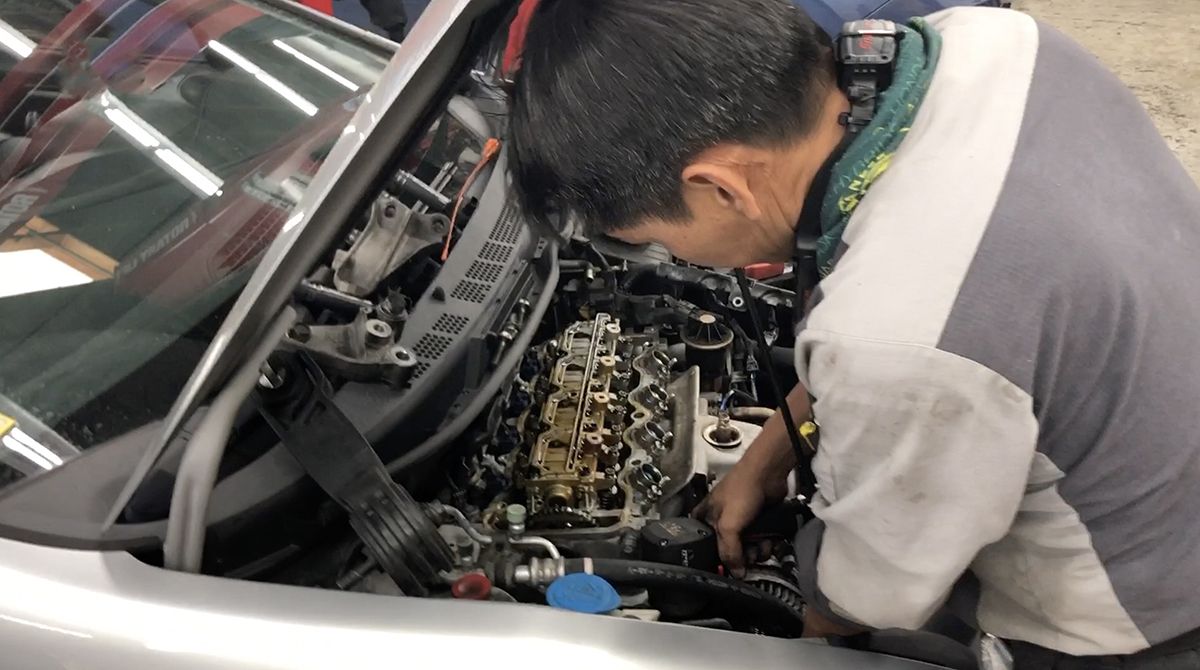
Our team of experienced mechanics is dedicated to providing top-notch service and expertise to ensure your vehicle runs smoothly and efficiently. Don't let automotive problems disrupt your daily routine–make an appointment today and experience the difference firsthand!