Dashboard Warning Lights Checklist: What Each Light Means and What to Do


February 1, 2025

Dashboard warning lights can often leave drivers feeling confused or anxious, especially when they pop up unexpectedly. While some lights indicate minor issues, others require immediate attention. Knowing what these lights mean and how to respond can save you time, money, and potential breakdowns.


Below is a checklist of the most common dashboard lights and what you should do when they appear.


1. Check Engine Light


The check engine light is one of the most commonly misunderstood dashboard lights. It can indicate a range of issues, from a loose gas cap to serious engine problems. If the light is solid, schedule an appointment as soon as possible to have your vehicle diagnosed. If the light is flashing, pull over immediately and call for assistance—this could indicate a severe engine issue.


For a closer look at what could be triggering your check engine light, head over to our blog on engine repair services.


2. Tire Pressure Monitoring System (TPMS)


If your TPMS light comes on, it’s telling you that one or more of your tires is underinflated. This could be due to a slow leak, a sudden puncture, or simply cold weather. Low tire pressure can affect your vehicle’s handling and fuel efficiency, so be sure to address it quickly. Visit our tire services page for tips on keeping your tires in optimal condition.


3. Oil Pressure Warning Light


This light indicates that your engine oil pressure is low. Driving with low oil pressure can cause severe engine damage, so it’s essential to stop the car and check your oil levels immediately. If adding oil doesn’t resolve the issue, you’ll need to have your car inspected by a professional.


If you’re concerned about your vehicle’s oil or engine performance, check out what our customers have to say about our exceptional service.


4. Battery Charge Warning Light


The battery warning light suggests that your vehicle’s battery is not charging correctly. This could be due to a problem with the alternator, battery, or electrical system. If this light appears, you might notice other electrical issues, like dim headlights or trouble starting your car. It’s best to have your battery and alternator checked right away to avoid getting stranded.


For more tips on maintaining your car’s electrical system, visit our blog.


5. Brake System Warning Light


If this light illuminates, it could mean your brake fluid is low, there’s an issue with your brake system, or your emergency brake is still engaged. Since braking is critical to your vehicle’s safety, it’s vital to have this checked out immediately. Continuing to drive with a brake system issue can lead to serious accidents or expensive repairs.


6. Coolant Temperature Warning Light


The coolant temperature warning light means that your engine is overheating. If this light comes on, stop your vehicle as soon as it’s safe to do so, and let the engine cool down. Driving with an overheated engine can cause extensive damage, so avoid restarting the car until the issue has been resolved.


Don’t Ignore Your Dashboard Lights


Dashboard warning lights are your car’s way of communicating potential problems. Ignoring these signals can lead to costly repairs or even more dangerous breakdowns. At A+ Japanese Auto Repair, we specialize in diagnosing and repairing these issues quickly and efficiently, ensuring your vehicle stays in top shape.


If a warning light has appeared on your dashboard, don’t wait. Schedule an appointment with our experienced technicians today!

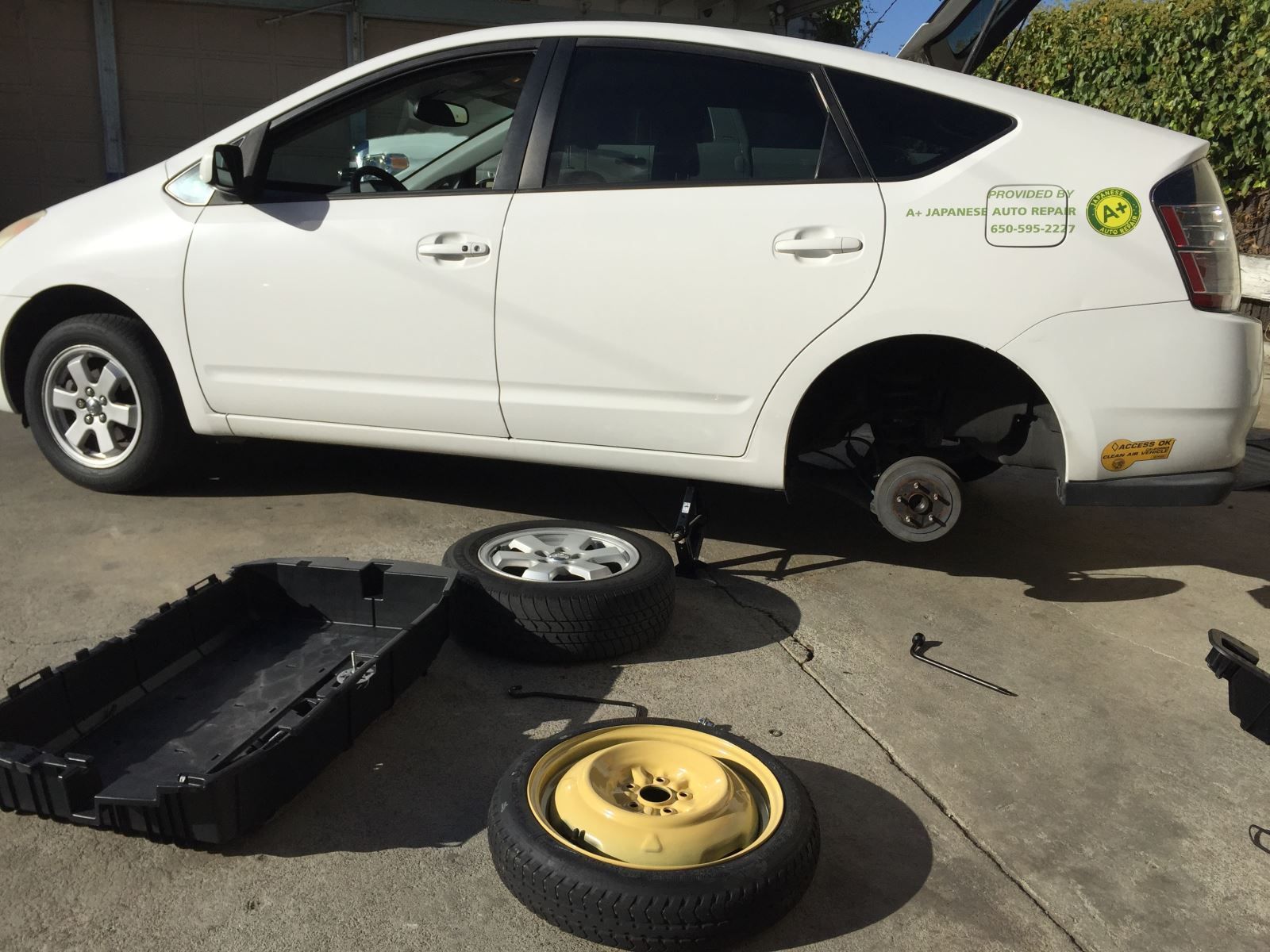
White car | A+ Japanese Auto Repair, Inc.
September 3, 2025
Each car has a different approach to change a spare tire. This is a general procedure to change a flat tire on most cars or trucks.
March 1, 2025
Considering an OEM or aftermarket exhaust? Learn the pros and cons of each to make the best choice for your vehicle. A+ Japanese Auto Repair offers expert guidance and installation for both options in San Carlos, CA.
October 1, 2024
Does idling your car waste more fuel than restarting it? A+ Japanese Auto Repair in San Carlos explores fuel consumption, environmental impact, and best practices for fuel efficiency.
August 1, 2024
Discover how extreme heat affects your vehicle's interior and exterior. Learn practical tips to protect your car from heat damage, maintain performance, and extend its lifespan. Stay informed and keep your vehicle safe under the sun.
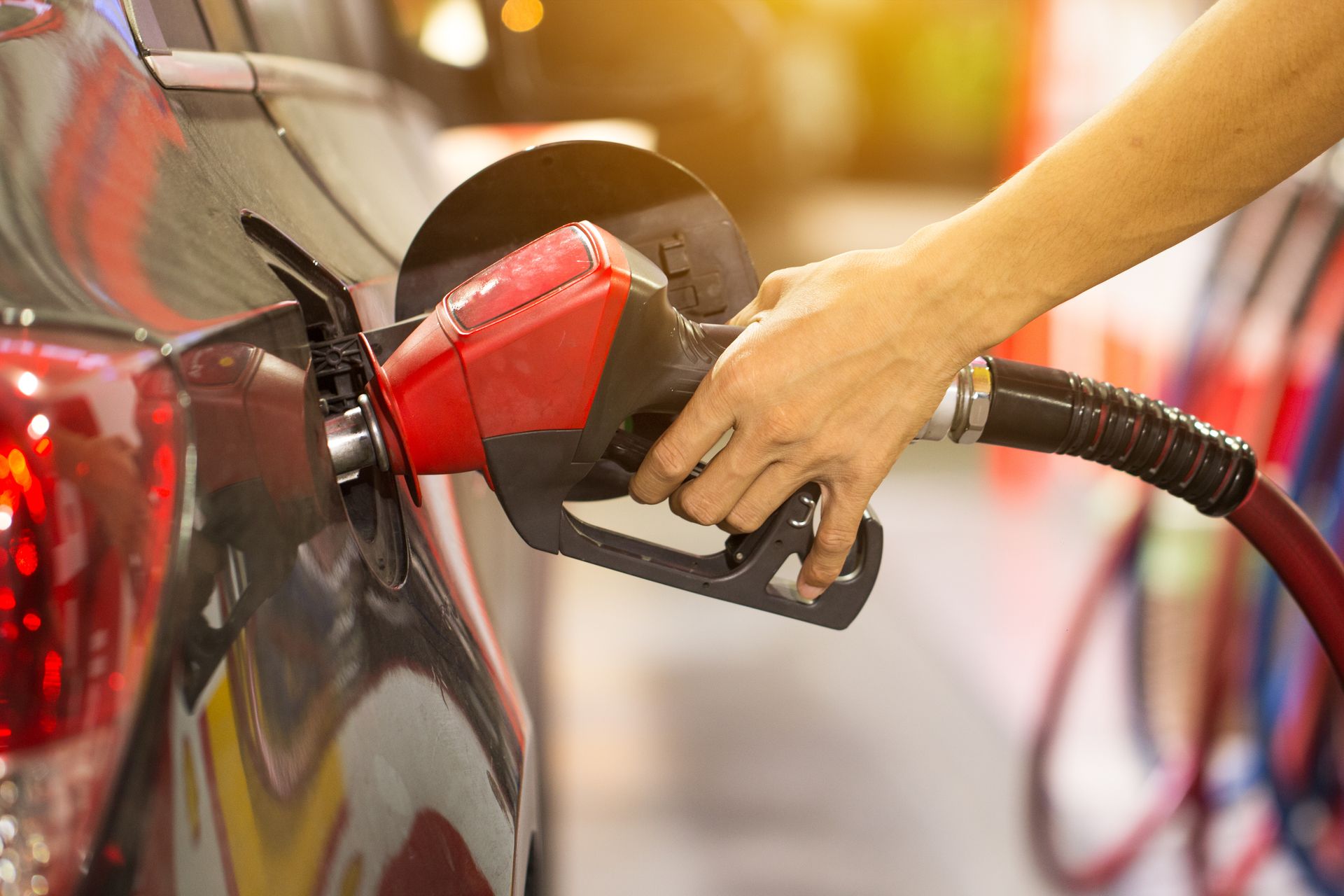
Fueling a car | A+ Japanese Auto Repair, Inc.
May 1, 2024
While providing an exact figure is challenging, most vehicles offer a range of 30 to 50 miles once the gas light illuminates. However, this estimate can fluctuate based on driving conditions, vehicle efficiency, and other variables. For this reason, it’s best to get to a gas station as soon as possible to fuel up.
April 22, 2024
Driving with the A/C does indeed reduce fuel efficiency to some extent. However, by understanding the factors that influence fuel consumption and implementing effective strategies to optimize efficiency, you can mitigate this impact and enjoy both comfort and savings at the pump.
February 1, 2023
Toyota vehicles are known for their reliability and durability. However, even the most reliable cars need regular maintenance to keep them running smoothly.
January 2, 2023
These tiny devices attach to your vehicle’s diagnostic system, allowing you to get the service codes behind warning lights on your dashboard.
August 1, 2022
If you own a Lexus, then you know that it is important to keep up with the required maintenance. Not only will this help your car run smoothly, but it will also help maintain its value. When your Lexus presents a check engine light, the team at A+ Japanese Auto Repair is here to investigate your service codes and maint
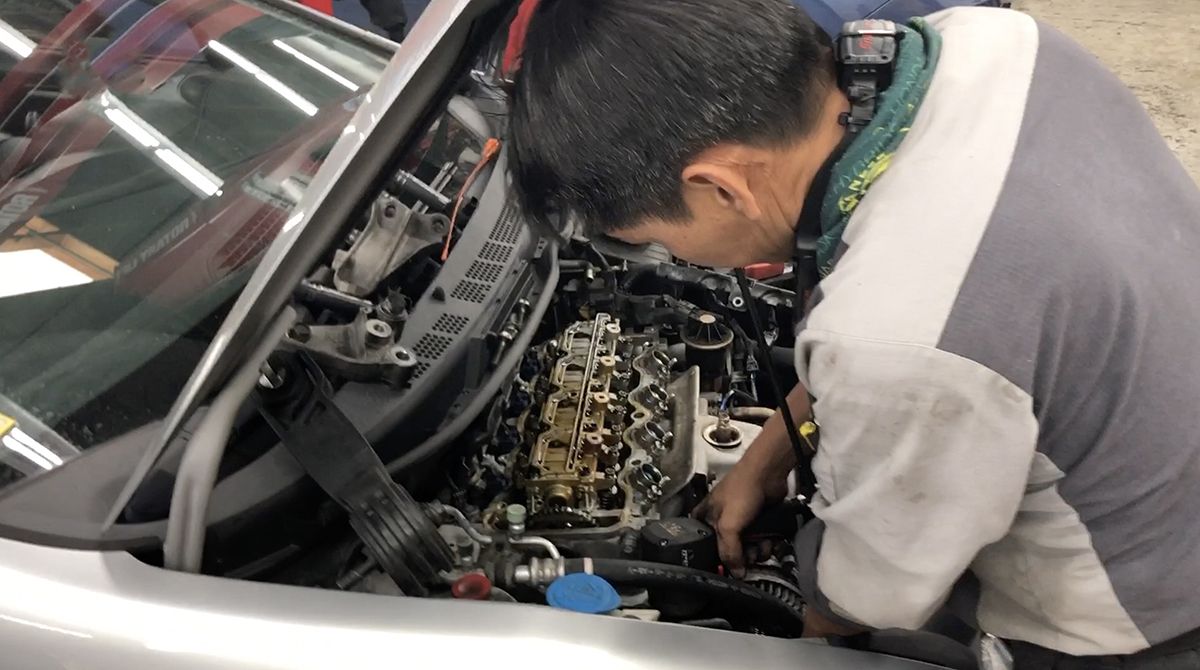
Honda repair | A+ Japanese Auto Repair, Inc.
March 1, 2022
We deal in ten different Japanese brands at A+ Japanese Auto Repair. One of the most loved brands is Honda! We find them to be very reliable cars if you keep up with the proper maintenance, which is why we recommend them to first-time Japanese car buyers.
Show More