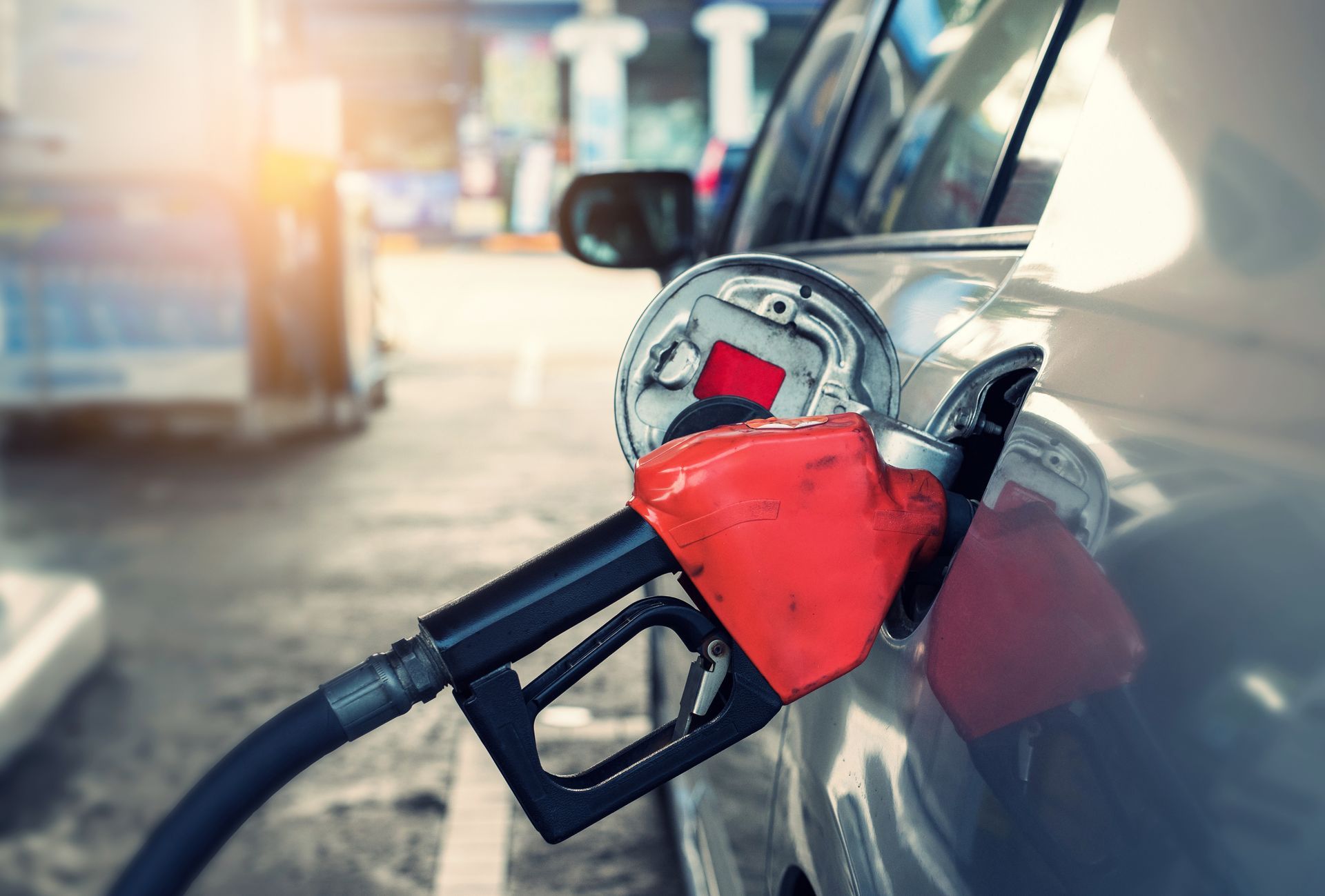
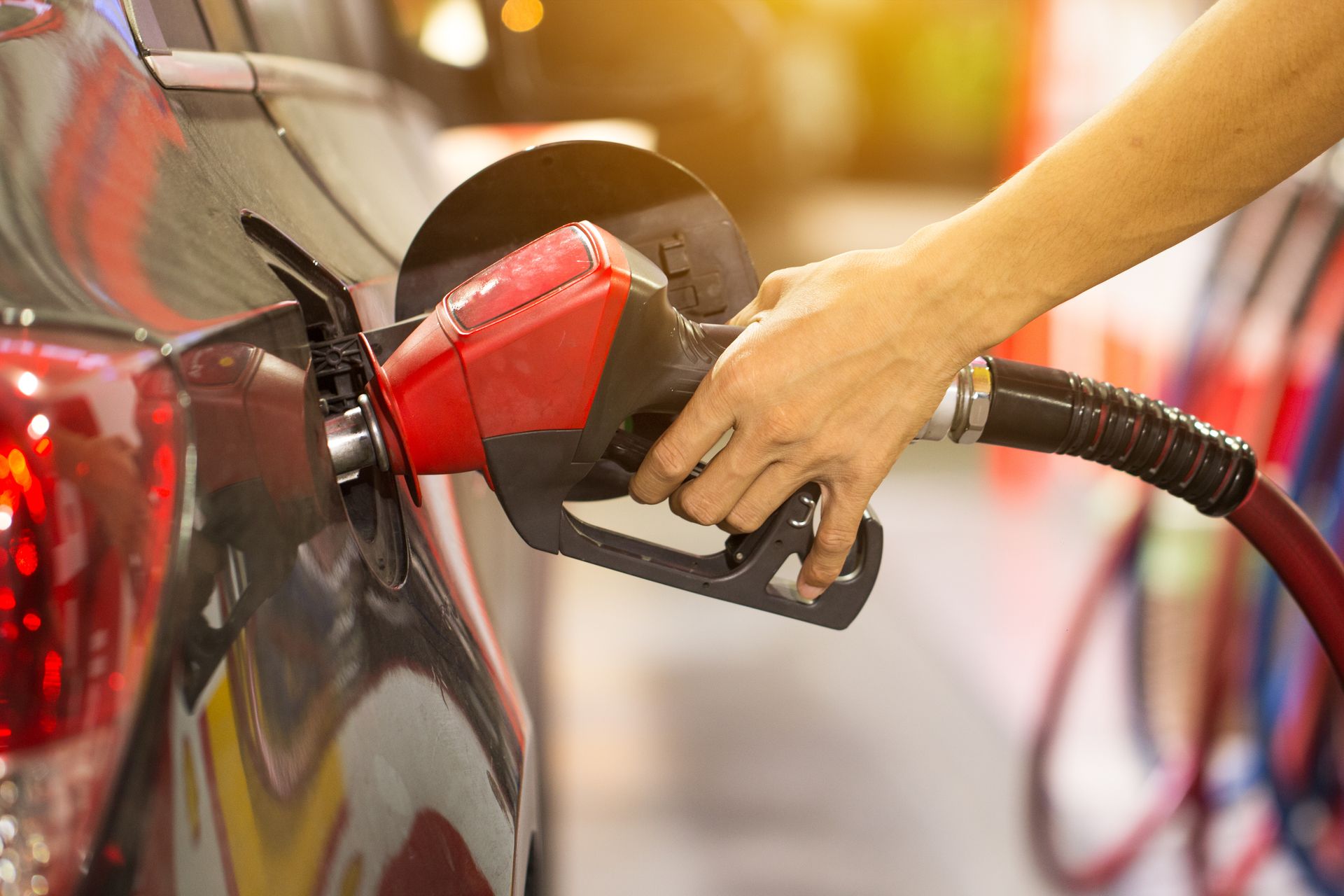
We’ve all seen the signs at gas stations: "Turn off engine while fueling." Yet, some drivers still wonder if turning off their car when filling the tank is necessary. In this blog, we’ll explore the reasons behind this standard safety directive and whether keeping your engine running while pumping gas affects fuel efficiency and overall vehicle health.
Turning off your engine while pumping gas ensures safety and prevents potential hazards. Idling can waste fuel, increase emissions, and cause unnecessary wear on your vehicle. This simple step can protect you and your car while benefiting the environment.
The Safety Concerns
The primary reason for turning off your engine while pumping gas is safety. Gasoline is highly flammable, and the fumes it emits can be ignited by various sources. The potential dangers of not adhering to this safety measure are significant and should be a concern for every driver:
- Static Electricity: Gasoline vapors can be ignited by static electricity. Static electricity can build up when you get in and out of your car, especially on dry days. A spark from this static discharge can ignite gasoline vapors, leading to a fire. This is why touching a metal part of your car to discharge any static before handling the gas pump is essential.
- Engine Heat: A running engine produces heat. While it's rare, there's a slight risk that this heat, combined with a fuel spill, could ignite gasoline vapors. The heat from the exhaust system can be hazardous, making it an excellent practice to always turn off your engine while refueling.
- Electrical Systems: Modern vehicles have numerous electrical systems that continue to run even when the car is idling. These systems can produce sparks that might ignite gasoline fumes. This includes the alternator, starter, and other components that generate electricity and can cause a spark.
Additionally, from a fuel efficiency standpoint, keeping the engine running while pumping gas makes little sense. An idling engine consumes fuel without providing any movement or meaningful output. Depending on your vehicle, idling can use up to 0.5 to 1 gallon of fuel per hour. Over time, this wasted fuel adds up, especially for frequent drivers.
Idling for extended periods puts unnecessary wear on your engine components, leading to potential maintenance issues. Excessive idling can negatively impact components like the spark plugs, exhaust system, and engine oil. This can lead to increased repair costs and reduce the overall lifespan of your vehicle.
Environmental Considerations
Allowing your car to idle while pumping gas also has environmental implications. An idling engine continues to emit exhaust gasses, including carbon monoxide, nitrogen oxides, and hydrocarbons. These emissions contribute to air pollution and can harm human health and the environment. In areas like San Carlos, where environmental quality is a community concern, reducing emissions is essential for everyone's well-being.
From an environmental perspective, idling your car while pumping gas is a significant contributor to air pollution. Even if the fuel used while idling seems minimal, it adds up over time. By reducing unnecessary idling, you can take a small but significant step toward decreasing your fuel consumption and carbon footprint, contributing to a more sustainable driving practice.
Vehicle Health and Maintenance
Keeping the engine running during refueling can cause the onboard diagnostic system to incorrectly detect fuel system issues, leading to unnecessary check engine light alerts. This can result in avoidable trips to the mechanic and increased maintenance costs.
From a vehicle health standpoint, refueling while the engine is running can cause significant damage to your fuel pump. Fuel pumps rely on the continuous flow of fuel to stay cool. Disrupting this flow by refueling while the engine is running can potentially cause overheating or damage to the fuel pump. Ensuring your fuel pump remains in good condition is crucial for the longevity and reliability of your vehicle.
Convenience vs. Risk
While some drivers may find it convenient to keep their car running while refueling, such as maintaining the air conditioning on a hot day, the potential safety hazards are not to be taken lightly. The risks, including the potential for a fire due to static electricity or engine heat, far outweigh the convenience. The few seconds saved are not worth the potential dangers and the long-term impact on your vehicle’s health.
While it might seem harmless to keep your car running while pumping gas, the potential benefits of turning off your engine are significant. It ensures a safer refueling process, helps you save fuel, and reduces emissions. Next time you pull up to the pump, remember to switch off the engine and fill up safely. You can make a difference with this simple action.
About A+ Japanese Auto Repair
At A+ Japanese Auto Repair, we uphold our core values of integrity, quality, and commitment. We write this blog because we believe in honest and trustworthy service, and an educated community is an empowered community. Our ASE-certified automotive service advisors and mechanics work diligently to ensure every customer receives an open and transparent auto repair experience. We specialize in Honda, Acura, Toyota, Lexus, Nissan, Infiniti, Subaru, Mazda, Mitsubishi, Kia, Scion, Hyundai, Isuzu, and Hybrid Vehicles, using factory-designated fluids and parts to maintain the highest standards.
Trust A+ Japanese Auto Repair for reliable, cost-efficient, high-quality auto repair services. Visit us today and experience the difference between a family-owned business that cares about you and your vehicle. Please
schedule an appointment today at A+ Japanese Auto Repair. We are conveniently located at
780 Industrial Road, San Carlos, CA 94070. And don’t forget to
Like us on Facebook for news, updates, and specials!